


Can Dry Needling Cause Soreness? What to Expect

You leave treatment feeling looser, then wake up the next morning with a tender muscle that feels as if you trained harder than planned. So, can dry needling cause soreness? Yes. Mild, short-term soreness is a common response, particularly when a tight or irritable muscle has been treated. It does not automatically mean something went wrong.
For active adults and athletes, the more useful question is whether the soreness fits a normal recovery pattern and how to manage it without losing momentum in work, training, or daily movement. The answer depends on the area treated, the sensitivity of the tissue, your activity level, and the reason dry needling was included in your personalized plan.
Why Dry Needling Can Cause Soreness
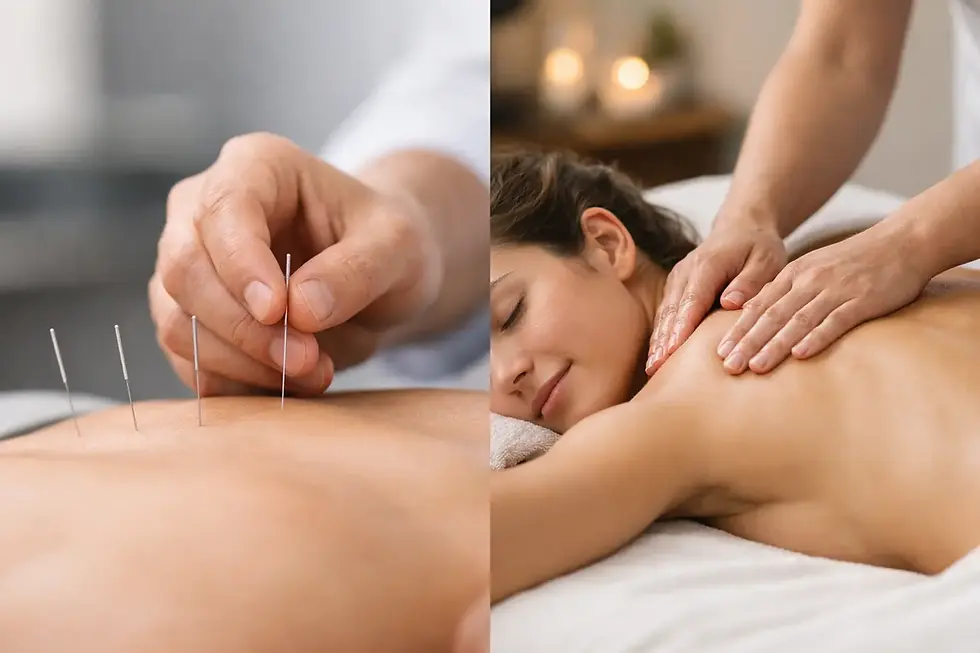
Dry needling uses a thin, solid needle to target myofascial trigger points and dysfunctional muscle tissue. A trigger point is an irritable, tight area in a muscle that may contribute to local pain, restricted motion, weakness, or pain that travels to another part of the body.
When a clinician stimulates that tissue, the muscle may twitch or contract briefly. This response can help reduce muscle guarding and improve how the area moves, but the tissue can feel tender afterward. Many patients describe the sensation as similar to post-workout muscle soreness, a deep bruise, or fatigue in the treated muscle.
Soreness may be more noticeable when treatment addresses a chronically tight area, such as the upper traps, glutes, hip flexors, calves, hamstrings, or muscles around the shoulder blade. It can also occur when the underlying issue has caused you to compensate for weeks or months. In those cases, the muscle is not simply “tight.” It may be overloaded because another joint, movement pattern, or muscle group is not doing its share.
That is why dry needling is most effective when it is part of a broader plan rather than a stand-alone fix. At Elevation Spine & Sports Medicine, treatment may also include manual therapy, mobility work, progressive strengthening, and return-to-activity guidance designed to address the root cause of symptoms.
How Long Does Soreness After Dry Needling Last?
Most post-treatment soreness improves within 24 to 48 hours. Some people feel better immediately, while others need a few days before the treated area feels more relaxed and mobile. A longer period of mild tenderness can happen, especially after the first session or after treatment to larger, deeper, or highly sensitive muscles.
The goal is a steady improvement, not a perfect response every time. If the soreness is gradually decreasing and you can move normally or with improving comfort, that is generally reassuring. You may also notice a temporary change in how the muscle feels as your body adapts to improved motion.
Your response can vary from one session to the next. A runner receiving needling to the calf before rebuilding ankle mobility may feel very little soreness. The same runner might feel more tenderness after a session that treats the glutes and hip rotators, particularly if those muscles have been working overtime to compensate for an old ankle or knee problem.
What Normal Soreness Usually Feels Like
Normal post-needling soreness tends to stay near the treated area. It is usually achy, dull, tender to touch, or similar to the feeling after an unfamiliar workout. You may have minor pinpoint bruising where the needle entered, especially if you bruise easily or take medications that affect bleeding.
The soreness should not prevent you from breathing normally, using the limb, or completing basic daily tasks. It also should not become sharper, spread dramatically, or intensify day after day. Your clinician should explain what they treated, what you may feel afterward, and how that response affects your exercise plan.
For many people, some light movement feels better than doing nothing. A short walk, gentle range-of-motion work, or the specific exercises prescribed in your rehabilitation plan can help maintain circulation and prevent the area from stiffening up. The right amount of activity depends on the condition being treated. A competitive athlete preparing for practice needs different guidance than someone recovering from surgery or managing persistent low back pain.
How to Reduce Soreness and Recover Well
Start with the recovery plan your provider gives you. In many cases, normal daily movement is encouraged, while strenuous lifting, sprinting, high-volume training, or a new workout may need to wait until the next day. This is not about being overly cautious. It is about giving your body enough information to respond well before adding more load.
Hydration, regular meals, and quality sleep support recovery. A warm shower, heating pad, or gentle mobility can be helpful for muscle tightness if those options feel good to you. Some patients prefer a brief cold pack if the area feels irritated or bruised. Use either approach based on comfort, and avoid applying intense heat or cold directly to the skin for prolonged periods.
Avoid aggressively digging into the sore spot with a massage gun, foam roller, or deep stretching immediately after treatment. More pressure is not always better. The area has already been stimulated, and excessive intensity can leave it more reactive. If you are unsure whether to train, stretch, run, or lift after a session, ask before you leave the clinic. Clear guidance is especially valuable during return-to-sport rehabilitation.
It is also useful to tell your clinician exactly how you responded at the next visit. Details matter: when the soreness started, how long it lasted, whether your pain changed, and which movements improved or worsened. That feedback helps your provider adjust the dosage of treatment and progress your plan appropriately.
When Soreness Is Not the Expected Response
Although dry needling is generally well tolerated when performed by a trained provider, any procedure involving a needle carries some risk. Contact your clinician promptly if you have severe or worsening pain, increasing redness or warmth, significant swelling, drainage, fever, fainting, or symptoms that do not follow the expected recovery pattern.
Certain symptoms require urgent medical attention. Seek emergency care for chest pain, shortness of breath, difficulty breathing, or unusual coughing after dry needling in the chest, upper back, shoulder, or neck region. These symptoms are uncommon, but they should never be ignored.
Tell your provider before treatment if you are pregnant, have a bleeding disorder, take blood-thinning medication, have an active infection, have significant needle anxiety, or have a medical condition that may affect healing or sensation. Dry needling is not the right tool for every person, every body region, or every stage of recovery. Good care starts with screening, informed consent, and a clear clinical reason for using it.
Why Treatment Should Go Beyond the Tender Spot
Dry needling may help calm an overactive muscle, but lasting improvement requires understanding why that muscle became overactive. A painful shoulder can involve thoracic stiffness, poor scapular control, a training-volume spike, or weakness elsewhere in the chain. Persistent calf tightness may be connected to ankle mobility, running mechanics, footwear, or a rapid jump in mileage.
This is where one-on-one, evidence-based rehabilitation matters. Your clinician should assess movement, strength, mobility, activity demands, and injury history, then use dry needling only when it supports the larger goal. Sometimes the best next step is needling followed by corrective exercise. Other times, manual therapy, progressive loading, chiropractic care, or simply adjusting training volume is the more appropriate choice.
Soreness after dry needling can be an expected, manageable part of treatment, but it should serve your progress, not derail it. Pay attention to your body, follow your individualized recovery guidance, and keep the conversation open with your provider. The right plan should help you move with more confidence and get back to the activities that matter to you.


Comments