


Acupuncture Versus Dry Needling Compared

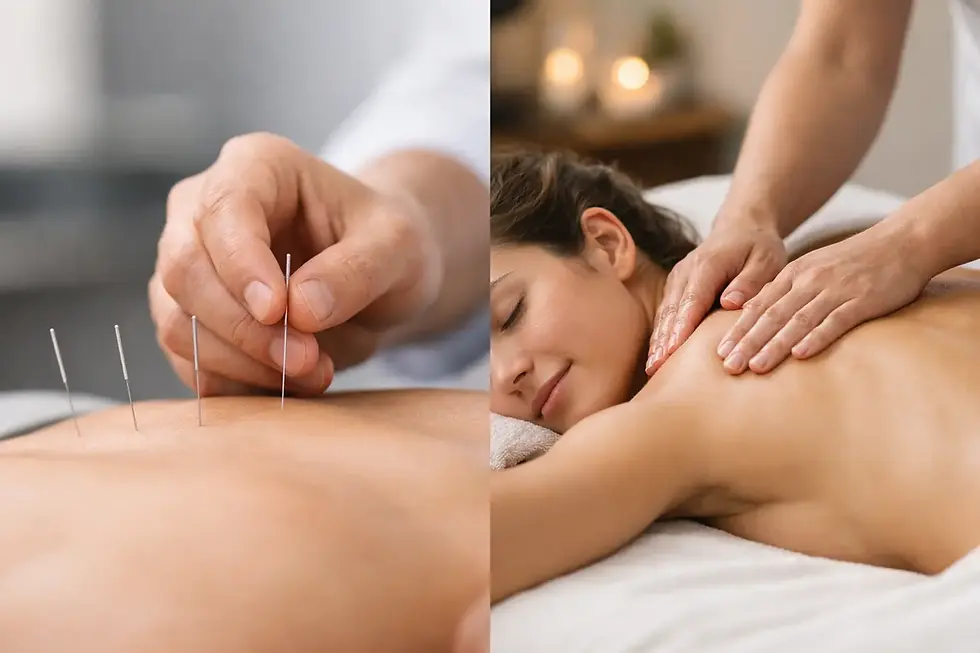
A tight calf that will not release, a shoulder that catches overhead, or low back pain that keeps returning can make any treatment involving needles sound appealing. But acupuncture versus dry needling is not a simple choice between two identical services. Both use very thin, solid needles, yet they come from different clinical frameworks, are performed with different goals, and may fit different people and conditions.
For active adults and athletes, the most useful question is rarely which treatment is better in general. It is which approach, if either, supports the underlying problem and helps you move, train, work, and recover with more confidence.
Acupuncture versus dry needling: the core difference
Acupuncture is a component of traditional Chinese medicine with a history spanning thousands of years. Treatment is based on an assessment of the body's energy pathways, often called meridians, along with a person's symptoms, health history, and overall pattern of function. An acupuncturist may place needles at points that are not directly over the painful area. The intent can include pain relief, nervous system regulation, and support for whole-body health.
Dry needling is a modern musculoskeletal technique commonly used by qualified physical therapists, chiropractors, and other licensed healthcare professionals, depending on state regulations and training. It targets myofascial trigger points, tight bands of muscle, or sensitive tissues that may contribute to pain and movement restriction. The clinical goal is typically more local and functional: reduce muscle guarding, improve available motion, and make rehabilitation exercise or manual therapy more productive.
The needles may look similar, but the reasoning behind their placement is different. Acupuncture follows a traditional medicine framework. Dry needling is generally guided by anatomy, palpation, movement testing, and an understanding of how the nervous and musculoskeletal systems respond to injury or overload.
What dry needling is designed to address
A trigger point is an irritable area within a muscle that may be tender when pressed and can sometimes refer discomfort elsewhere. A trigger point in the upper trapezius, for example, may contribute to neck pain or headache symptoms. One in the gluteal muscles may affect hip motion or produce pain that feels like it is coming from the low back.
During dry needling, a clinician may insert a sterile, single-use needle into a selected muscle or soft tissue area. Some patients feel a brief twitch response, cramping sensation, or deep ache. Others notice little more than pressure. The response varies by body region, tissue sensitivity, and the degree of muscle irritability that day.
Dry needling is not intended to be a stand-alone fix. A muscle often becomes tight or painful for a reason: a recent ankle sprain changed how you walk, a demanding training block exceeded recovery capacity, poor shoulder control overloaded the neck, or limited hip mobility shifted stress into the back. Releasing a sensitive muscle without addressing the reason it became overloaded may provide only short-term relief.
That is why dry needling is often most valuable as part of a personalized plan that includes movement assessment, manual therapy when appropriate, mobility work, progressive strength training, and return-to-sport guidance. The needle can help create an opportunity for better movement. The rehabilitation work helps make that improvement last.
What acupuncture may help with
People pursue acupuncture for a broad range of concerns, including persistent pain, headaches, stress-related tension, sleep difficulties, nausea, and general wellness. For musculoskeletal symptoms, some patients report meaningful improvement in pain and function, particularly when care is delivered as part of a larger plan.
An acupuncture session may feel more calming and less focused on provoking a local muscular response than dry needling. Needles can remain in place for a period of time, and the practitioner may use a wider selection of points based on their assessment. That experience may appeal to someone seeking a whole-body treatment approach or managing symptoms that do not map neatly to one injured muscle or joint.
Research on both acupuncture and dry needling is still evolving. Outcomes can depend on the diagnosis, clinician skill, treatment dosage, the patient's expectations, and what happens between appointments. Neither treatment should be presented as a guaranteed cure for every form of pain. Persistent symptoms deserve a thoughtful evaluation, especially when there is weakness, numbness, significant swelling, unexplained weight loss, fever, or pain after a serious injury.
Which option makes sense for sports injuries?
For a runner with calf tightness after a change in mileage, a lifter with restricted shoulder motion, or a soccer player rebuilding after a hamstring strain, dry needling may be considered when a targeted muscle restriction is limiting progress. It can be useful when pain and guarding make it difficult to restore normal movement or tolerate loading.
However, needling is only one decision within a larger recovery process. An athlete who feels looser after treatment still needs to demonstrate the strength, control, endurance, and sport-specific tolerance required for a safe return to practice or competition. Feeling better for a day is not the same as being ready for full speed.
Acupuncture may be a reasonable option for athletes and active adults who prefer its treatment model or who are also dealing with broader symptoms such as stress, poor sleep, or diffuse tension. The best fit depends on your goals, response to care, medical history, and the qualifications of the clinician providing treatment.
Safety, side effects, and when to pause
When performed by a properly trained professional using sterile technique, both treatments are generally considered low risk. Mild soreness, temporary bruising, fatigue, or a short-lived increase in symptoms can occur. Post-treatment soreness after dry needling can feel similar to the aftermath of an intense workout and may last a day or two.
Needling is not appropriate for everyone or every body region. A clinician should review your health history before treatment, including pregnancy, bleeding disorders, use of blood-thinning medication, compromised immune function, history of fainting with needles, infection or skin irritation near the treatment area, and recent surgery. Communication matters. Tell your provider if you are anxious about needles, have had an unusual reaction before, or feel sharp, burning, or escalating pain during treatment.
Dry needling around the chest, upper back, and neck requires particular anatomical expertise because important structures are nearby. Choose a provider who can clearly explain why they are recommending it, what tissue they intend to treat, possible side effects, and how it fits into your overall plan.
The more useful question: what is driving your pain?
It is easy to focus on the treatment tool. The better starting point is the movement problem in front of you. Is knee pain related to quad weakness, poor hip control, a sudden increase in running volume, restricted ankle mobility, or a combination of factors? Is jaw tension driven by local muscle sensitivity, posture, clenching, stress, or cervical spine mechanics?
A thorough evaluation can help separate the painful area from the root cause. At Elevation Spine & Sports Medicine, that means looking at how you move, what your training or work demands require, where you have lost capacity, and what progress should look like in real life. Needling may be included when it supports the plan, but the goal remains larger than symptom relief: restored mobility, stronger movement, and a durable return to the activities you love.
If you are deciding between acupuncture and dry needling, ask for an honest clinical conversation rather than a one-size-fits-all recommendation. The right plan should make sense to you, respect your comfort level, and give you clear next steps beyond the treatment table. Your body does not need a trendy shortcut. It needs the right support to start moving forward again.


Comments